JACS publication: Protein Recognition and Assembly by a Phosphocavitand

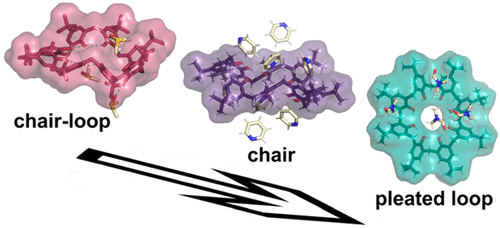
The project was led by Peter Crowley (University of Galway), in collaboration with Maura Malińska (Faculty of Chemistry, University of Warsaw), together with researchers from Synchrotron SOLEIL and Qilu University of Technology. The team has published a paper in Journal of the American Chemical Society about a phosphate-containing macrocycle (phosphocavitand) selectively recognises protein N-termini and arginine residues and, together with Zn²⁺, organises proteins into well-defined framework-like assemblies.

Link: https://doi.org/10.1021/jacs.5c08121

Maura Malinska as Emerging Investigators 2022

Crystal Growth & Design celebrates the ideas, creativity, and diversity of early-stage research group leaders in crystallization (broadly interpreted) who are making an impact on the world stage. This Virtual Special Issue features 36 articles that were commissioned by the journal editors. These articles are authored by emerging investigators from around the world, and the science is refreshing and innovative.

https://pubs.acs.org/page/cgdefu/vi/emerging-investigators-2022?src=UCV000197_KAC_cgdefu

The special issue feature Aleksandra Kieliszek and Maura Malinska’s article entitled:

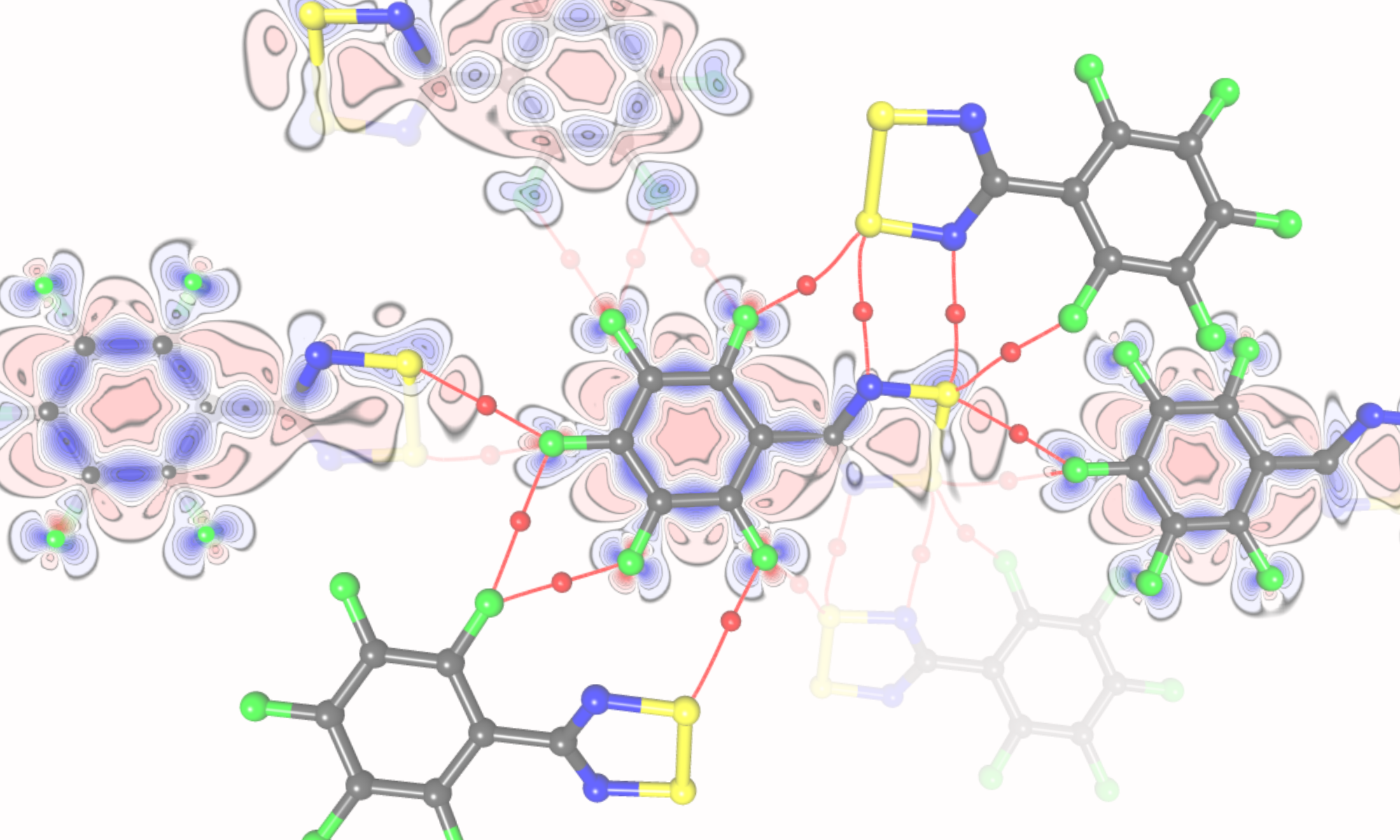
Conformations of p-tert-Butylcalix[8]arene in Solvated Crystal Structures

Crystal Growth & Design 2021, 21, 12, 6862-687

In memory of Professor Robert H. Grubbs

‘We are stronger together than we are alone.’ New publication as a result of long-term and fruitful cooperation between Wozniak’s and Grela’s groups.

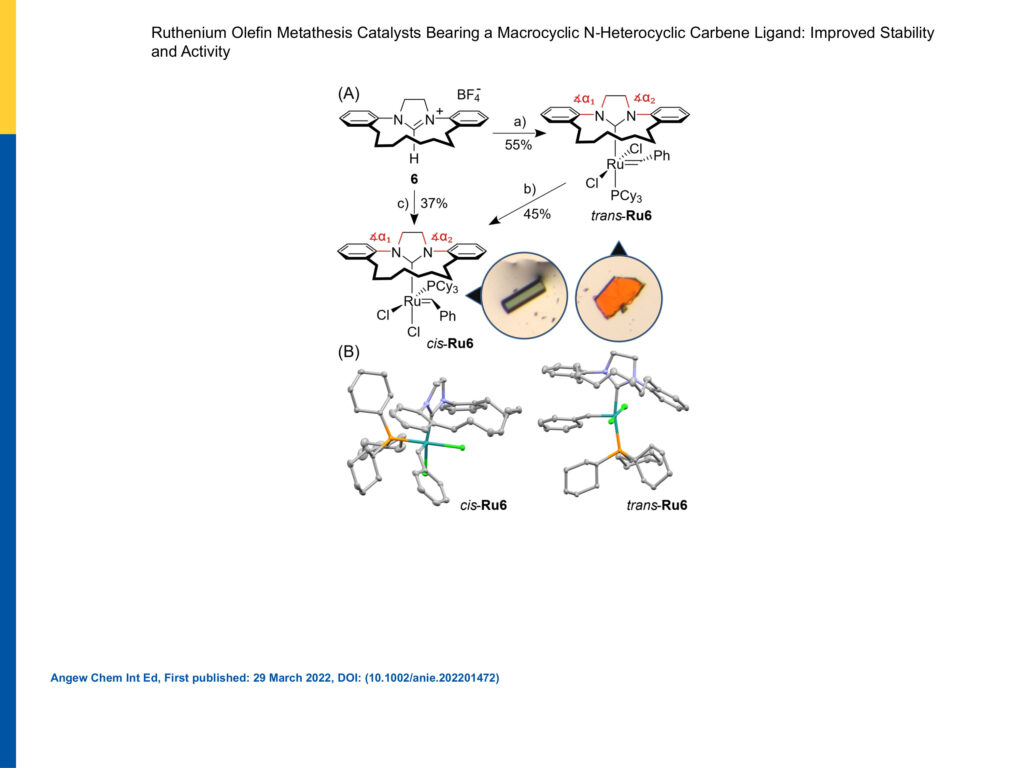
Ruthenium Olefin Metathesis Catalysts Bearing a Macrocyclic N-Heterocyclic Carbene Ligand: Improved Stability and Activity

Wioletta Kośnik, Dawid Lichosyt, Marcin Śnieżek, Angelika Janaszkiewicz, Krzysztof Woźniak, Maura Malińska, Bartosz Trzaskowski, Anna Kajetanowicz, Karol Grela

Cover Story

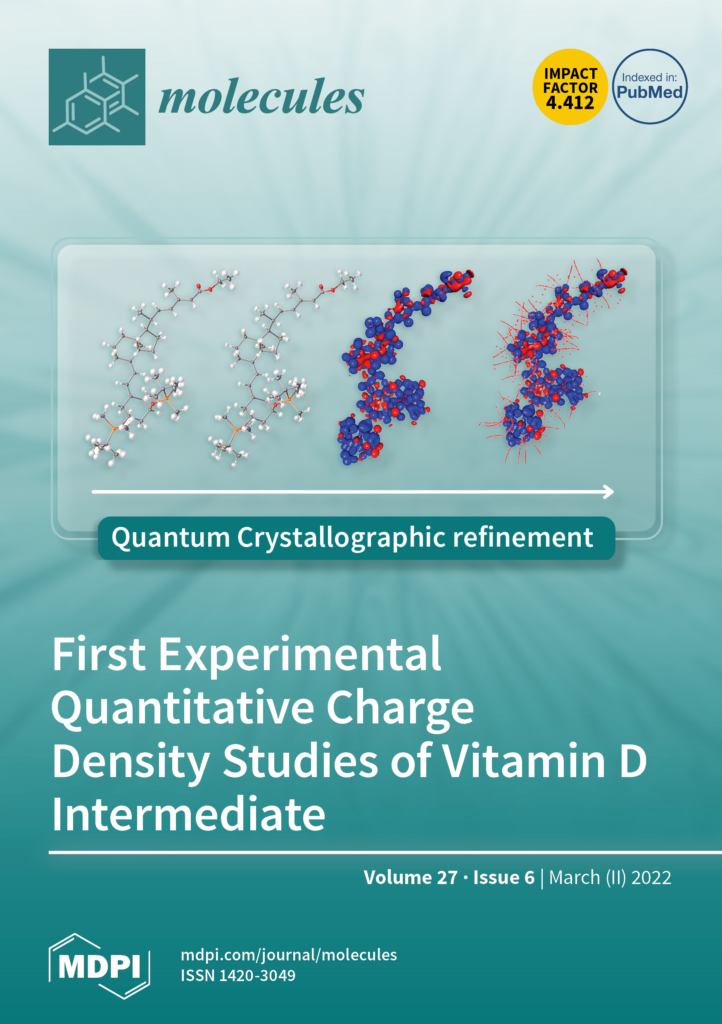
First Experimental Quantitative Charge Density Studies of Vitamin D Intermediate

Vitamins D are a group of fat-soluble secosteroids which play a regulatory role in the functioning of most cells. Rational design of new vitamin D analogs of increased therapeutic potency and lowered calcemic side effects requires high-resolution initial structures and a deep understanding of interactions with the vitamin D receptor. In this paper, using quantum crystallography methods, we present the first determination of the experimental quantitative charge density of an advanced intermediate of vitamin D analogues as well as a reconstruction of the theoretical electron density of final vitamin D analogues. Application of these methods allows for topological and electrostatic interaction energy analysis which is important for understanding biological effects.